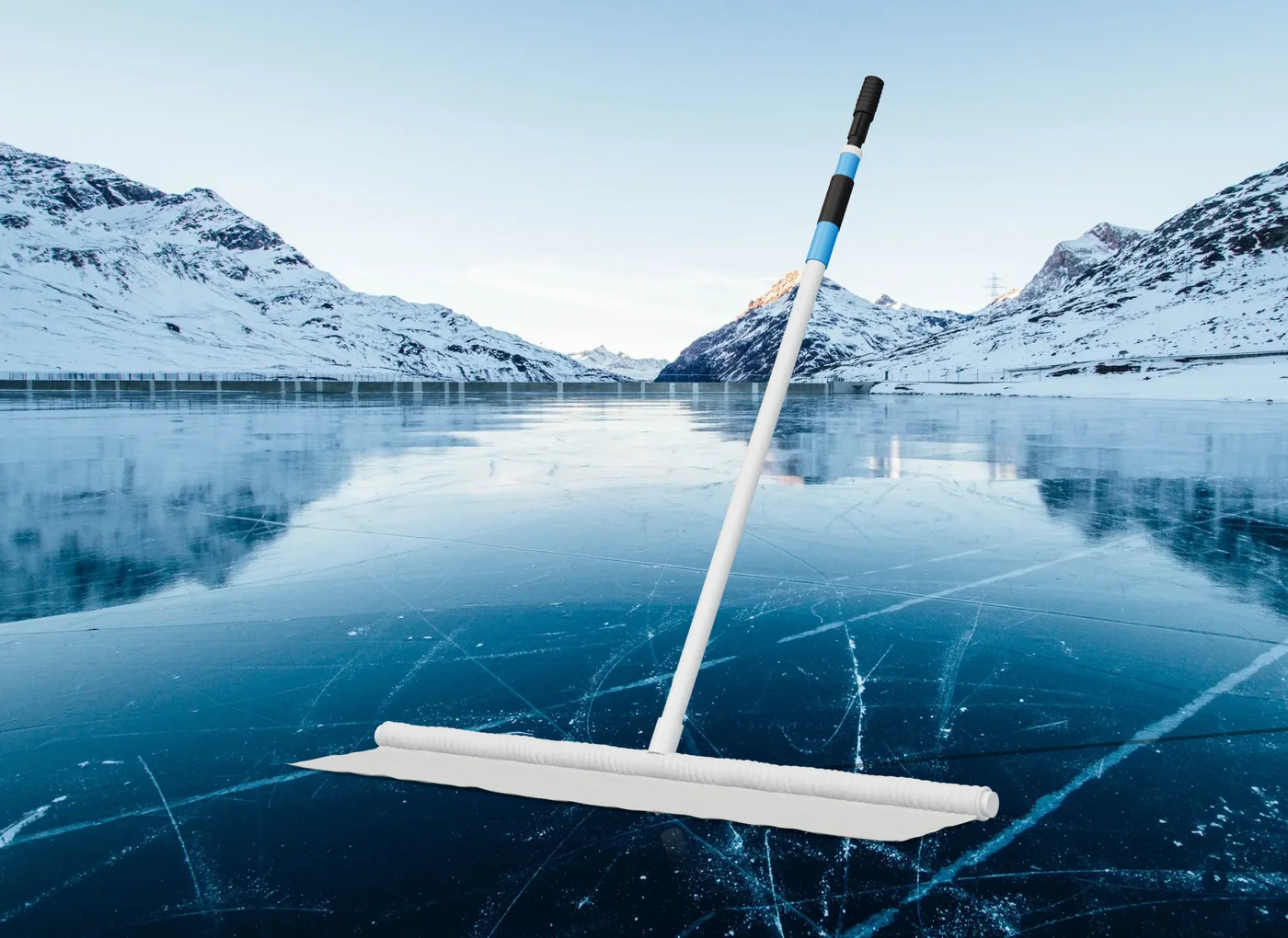
How to flood a backyard rink
Seven tips for making ice on an outdoor rink (ODR), from Doug Neubauer’s 2020 guide for the Winnipeg Jets.
Seven tips
From the people who make NHL ice, for the rink in your yard.
 1
Wait for −5 °C
Start flooding once the air is −5 °C or colder. Go by the real temperature, not the wind chill.
 2
Protect the grass
Lay a tarp or white plastic liner before the first flood. In spring, pump the water to sunny spots and rake the lawn after.
 3
Level the yard
On a slope, build the low side up with soil over the years. For a quick fix, level plywood sheets under the liner.
 4
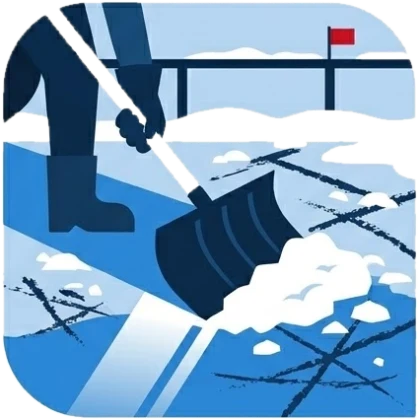
Clear the ruts first
Get the snow out of the skate ruts and along the edges before you flood. Snow left there freezes in white and rough.
 5
Flood thin
Too much water freezes on top and traps air underneath. That is what blisters are. Less is more.
 6
Cold water is fine
Between −10 and −20 °C, use cold water. Colder than −20 °C, warmer water gives a better result.
 7
Lines, if you want them
Paint works but gets messy. Tissue paper, streamers or yarn work too. Press out the air and freeze them in near the top.
Source: Doug Neubauer, Director of Engineering and Ice Operations, Winnipeg Jets, “Seven tips for backyard rink builders”, NHL.com, December 31, 2020.
Where Rinkzoni comes in
Tips 4 and 5 are the hard part with a hose. The Rinkzoni does both in one pass: its heavy cloth drags the loose snow out of the ruts while the head lays down a thin, even coat behind it.